




Health Benefits of Hot Tubs and Spas
A spa is more than home improvement or entertainment. A spa is an investment in your health and well-being. After buying a spa from Westrock Pools, spa owners return to tell us how the spa has allowed them to have more energy and sleep better.
The information we have collected is for educational purposes. We suggest speaking with a medical professional before beginning any new health plan.
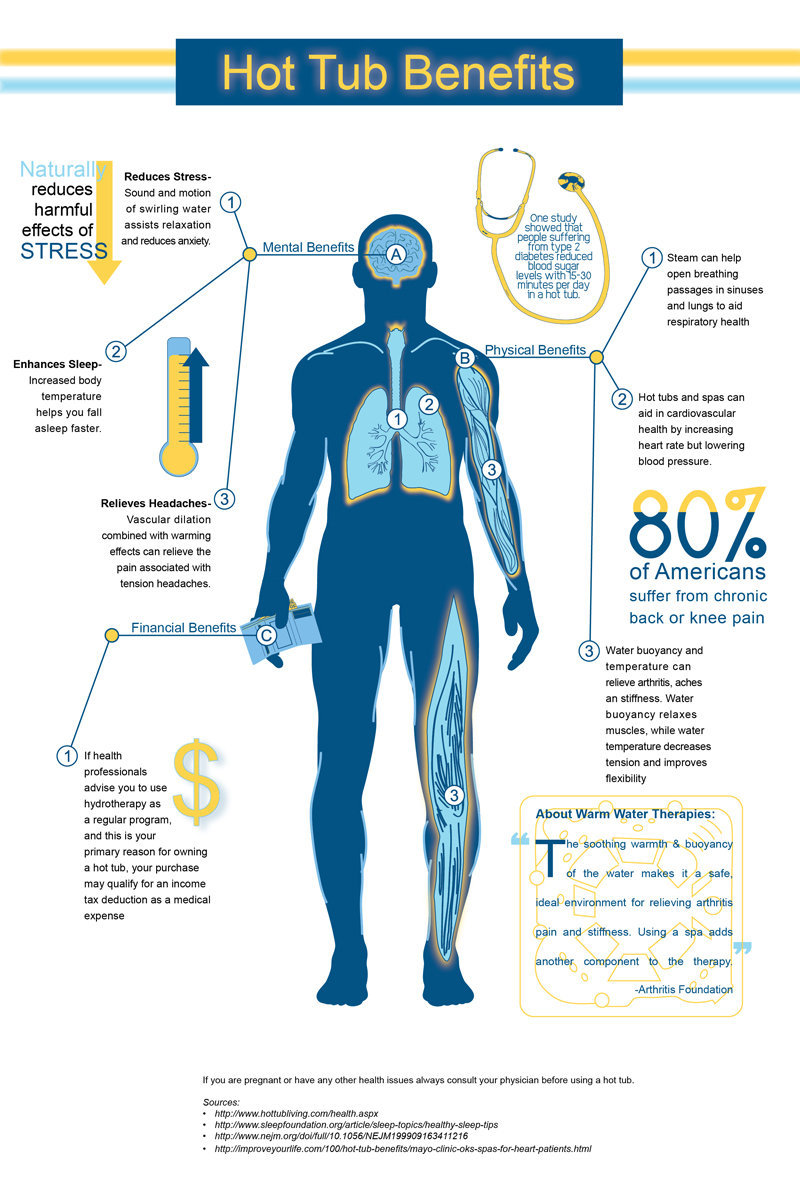
Spas deliver physical wellness benefits in three ways: the heat increases circulation, joint relief through water buoyancy and jets that sooth away tension. These components work together to provide a variety of health benefits that will improve a spa owner’s life.
Below are a few benefits of soaking in a spa provided by Westrock Pool & Spa:
- Improves Sleep
- Reduces Stress and Anxiety
- Relieves Arthritic and Chronic Pain
- Lowers Blood Sugar and Blood Pressure
- Promotes Healthier Skin
- Decreases Migraines and Headaches
- Increases Mobility



Frequently Asked Questions
FAQs: Health Benefits
Can spas help arthritis or chronic pain?
Yes. Warm spa buoyancy decreases joint loading and jets provide spot relief. Combined, they decrease symptoms of arthritis and stiffness and improve mobility.
Does swimming make me more cardiovascularly healthy and fit?
Swimming is a low-impact, whole-body aerobic exercise that conditions the heart and lungs, burns calories, and increases endurance. It provides large health rewards with minimal joint stress.
How does water relieve muscle and joint pain?
Weightless flotation of water supports your body weight, allowing for effortless movement without joint stress. With heat and resistance added, it promotes relief from pain, regaining strength, and reducing inflammation.
Can swimming be used to rehab or recover?
Aquatic therapy is widespread in the rehabilitation of neurological disease, postoperative rehabilitation, and musculoskeletal injury. Water exercises respectfully increase balance, flexibility, and mobility.
Does swimming lower blood pressure and blood sugar?
Yes. Recreational use of swimming pools has been linked to lowering blood pressure and blood sugar control, and thus swimming is excellent for someone with high blood pressure or diabetes.
Is it safe to swim with fibromyalgia or arthritis?
Yes. Because water lowers gravitational stress, spa therapy and swimming can significantly reduce pain and stiffness in a person with arthritis or fibromyalgia and improve the quality of life.
Can daily pool exercise enhance mood and cognitive ability?
Yes. Aquatic exercise and relaxing spa time promote endorphin release, reduce depression and anxiety, and even support cognitive clarity. Many spa users describe a calming ‘blue mind’ feeling.
Will swimming improve balance and reduce fall risk?
Older adults benefit from aquatic exercise to strengthen muscle tone, enhance posture, and improve balance—helping to minimize fall-related injuries and maintain independence.
Is regular swimming a good way to burn calories?
Yes. Swimming is great exercise—30 minutes swimming is the equivalent of nearly 45 minutes on land for calorie burning, but no harsh impact on the joints.
Are there any indoor pool breathing problems?
Indoor pool chemicals are believed to heighten respiratory risks in the long run, especially for sensitive people and infants. Ventilation and pool maintenance are essential.
How can I benefit from the health effects of Westrock Pools?
Westrock delivers high-quality pools and spa systems designed to foster health—be it through hydrotherapy, swimming therapy, or relaxation. Their expert competence ensures safe installation, maintenance, and seasonal service for the maximum benefit to health.

Sauna Therapy for Stress Relief and Mental Clarity
In today’s world, finding an outlet for managing our stress and finding mental clarity has [...]

How to Use Your Hot Tub for Stress Relief & Better Sleep
A hot tub isn’t only a luxurious time—but a great tool for improving your well-being. [...]