Managing water quality is a constant responsibility. Families care because children swim daily. Hotels and schools care because a single chemical issue can disrupt schedules, upset guests, or even trigger health inspections. Traditional chlorine has carried the industry for decades, but it’s labor-heavy and often harsh. A salt system changes that equation by creating chlorine directly in the water, keeping levels steady and simplifying day-to-day care.
The Basic Process
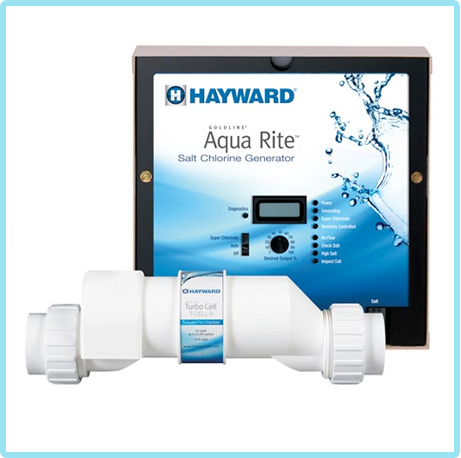
At its core, a salt system is straightforward. A small amount of pool-grade salt dissolves in the water—barely noticeable to swimmers. As water cycles through the salt cell, a low electrical charge turns the salt into chlorine. That chlorine sanitizes the pool, then converts back into salt, repeating endlessly.
Owners don’t need to haul buckets of chemicals weekly. The system quietly produces chlorine on demand, smoothing out spikes and dips. In practice, that means fewer complaints, fewer late-night tests, and water that looks stable day after day.
Why Owners See the Value
The benefits are clear:
- Consistency: Pools hold balance longer without wide chlorine swings.
- Reduced labor: Staff no longer measure and dump tablets constantly.
- Guest comfort: Softer-feeling water, fewer irritated eyes, no heavy chlorine odor.
- Savings over time: The upfront generator cost is higher, but bulk chlorine bills drop quickly.
- Cleaner operations: No stacks of chlorine containers eating up storage space.
A fitness club in northern New Jersey reported that staff now spend 40% less time on water testing and chemical runs. That’s time redirected to service and safety, which is what members notice.
Maintenance—Not Gone, Just Different
Salt systems aren’t “install and forget.” Owners still have responsibilities.
- Test pH and alkalinity weekly.
- Clean the salt cell to prevent scale buildup.
- Confirm fixtures and ladders are salt-compatible to avoid corrosion.
- Balance the salt level at spring opening and inspect the system before closing.
The difference? These steps are predictable. No scrambling to shock the pool mid-week, no emergency chlorine delivery when stock runs out.
ROI in Real Terms
The financial question comes up quickly. A salt system can cost several thousand dollars up front. But here’s the trade:
- A residential pool that uses $600–$800 in chlorine tablets per season often cuts that spend in half.
- A commercial pool that goes through pallets of chemicals can save several thousand annually.
- Fewer chemical deliveries reduce handling and insurance concerns.
That said, there are ongoing costs. The salt cell eventually wears out and must be replaced. Still, when measured over a five-to-seven-year period, most owners report a positive return.
Where Salt Systems Fit
Different settings see different wins:
- Hotels: Better guest reviews when pools don’t reek of chlorine.
- Residential pools: More playing time and less water adjustment time.
- Schools or community centers: Ongoing chemistry prevents regulatory headaches and liability.
Even small backyards are improved. Space-efficient equipment takes up conveniently on existing pad space, and high-capacity generators can treat thousands of gallons per day in commercial buildings.
Choosing the Right Unit
There is no one-size-fits-all solution. The right salt system depends on:
- Pool size and usage rate.
- Desired features (digital readouts, automation, smart connectivity).
- Budget for installation and maintenance.
Those with an interest in options can review salt system designs appropriate to a range of pool settings, from small backyard installations to high-output systems for large institutions.
The Catch—and the Payoff
Nothing is perfect. Salt is mildly corrosive. Lights, ladders, and rails not rated for saline water may need replacement sooner. The cell itself eventually requires service or replacement. These are real costs, and they matter.
Still, owners often view them as small compared to the payoff: more predictable water, fewer chemical headaches, and a better swimmer experience. For businesses, that translates into stronger customer satisfaction. For families, it means easier routines and cleaner water.
The Quiet Upgrade That Works Hard
Salt systems don’t draw attention. Guests won’t see the equipment. Most swimmers won’t even know it’s there. But the difference is felt every time someone dives in—no harsh odor, no irritated eyes, just water that feels balanced.
That’s why so many operators now call it a strategic upgrade. With Westrock Pools, it means less time reacting to chemical problems, less money spent on chlorine deliveries, and more consistency across the board. In the end, a salt system isn’t about luxury—it’s about smarter management of an essential asset.